
Shireen Boxの始まりは、20年前のイラン訪問にさかのぼります。
Carrying a Camera to Iran.Tomoko’s Journey in 2007
運営のデグチです。大学時代、メディアを専攻していたともこは、ある日教授の研究室を訪れました。
授業の単位を落としそうになり、相談に行ったことがきっかけでした。
その出会いが、思いがけずイランへの旅につながります。
当時のともこにとって、中東はほとんど縁のない場所でした。
「正直、イランがどこにあるのかもよく知らなかったんです。」
イメージは、砂漠やアラビアンナイトの世界。
そんなぼんやりした印象のまま、カメラを持ってイランへ向かいました。
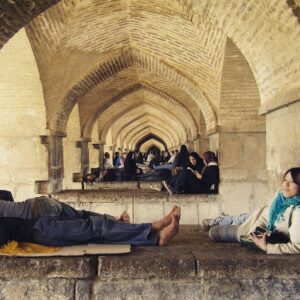
はじめて見た中東の風景
イランに到着して、最初に感じたのは意外な印象でした。
「すごく綺麗な国だと思いました。」
緑が豊かで、宮殿や歴史的建築が街の中に残っています。
金やトルコ石を使った装飾など、日本では見かけない建築の美しさが印象的でした。
暑い地域ならではの生活のリズムもありました。
川辺で昼寝をする人々の姿。
日本のように忙しく動き続ける生活とは違う、ゆったりした時間が流れていました。
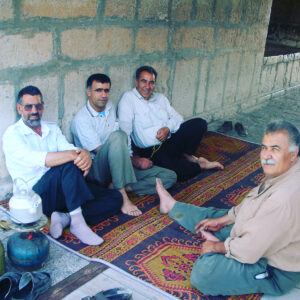
日本のニュースとは違うイラン
日本で見ていた報道とは、違う景色もありました。「ニュースでは見えないことが、たくさんありました。」
美しい街並みだけでなく、人々の雰囲気も印象的でした。
「とても親日的で、日本のことを好きでいてくれる人が多かったんです。」
現地では、日本の昔のドラマ「おしん」が放送されていました。
その影響もあり、日本人に対して良い印象を持つ人が多いと感じたといいます。
また、シルクロードを通じて昔からつながりがあることを、何度も聞いたそうです。
映像記録係としての仕事
今回の訪問で、ともこは映像記録係として活動していました。
戦争被害者が入院する病院への訪問。
兵士たちのお見舞い。
毒ガスの被害を受けた地域での取材。
現地ではインタビュー撮影も行いました。
その中で、今でも忘れられない出来事があります。
元兵士へのインタビューのときのことでした。
当時のともこは、まだ経験の少ない新人カメラマン。
うまく撮影できる自信もありませんでした。
そのとき、インタビューを受けていた元兵士がこう言ったそうです。
「何もできなくてもいい。
ただ撮影して、そのまま持って帰ってくれればいい。」
その言葉は、今でもカメラマンとしての原点になっています。
イランで続く再会
2007年の訪問は、一度きりの出来事ではありませんでした。
その後も交流は途切れることなく続き、イランから広島を訪れる人たちとの再会が、毎年のように重ねられてきました。
最初は「遠い国」でしかなかったイランが、年月を重ねるうちに、顔の見える相手がいる場所に変わっていきました。
一緒に時間を過ごした人たちが、翌年も、そのまた翌年も広島に来てくれる。そこでまた言葉を交わし、近況を伝え合い、同じ時間を過ごす。そうした積み重ねが、交流を「特別な出来事」ではなく、続いていく関係に変えていったのです。
「20年もやってるんだもん。
毎年広島で再会できるのが嬉しいよ。」
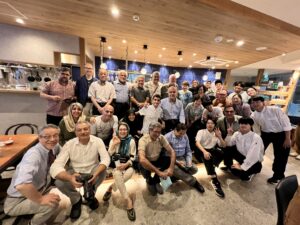
20年後のShireen Box
2007年のイラン訪問は、今の活動につながっています。
「もちろん、津谷さんとのつながりが生んだものです。」
2026年、イラン映画をオリジナル日本語字幕で届ける配信サイト
Shireen Box が公開されました。
映画を通して伝えたい思いをこう語ります。
「イランの人たちは、世界へ伝える方法が限られています。
それが分断を広げてしまうこともあると思うんです。」
「お互いに気持ちを伝えることが、異文化理解の第一歩。
映画はそのための表現の場所です。」
だからこそ、できるだけ現地の言葉や表現を変えずに届けたい。
Shireen Boxは、そんな思いから生まれました。
The story of Shireen Box began more than twenty years ago with a trip to Iran.
At the time, Tomoko was a university student studying media. One day, she visited her professor’s office to ask for help—she was about to fail one of her classes.
That unexpected meeting eventually led to a journey to Iran.
Back then, the Middle East felt very distant to her.
“I honestly didn’t even know where Iran was,” she recalls.
Her image of the country was vague—something like deserts and the world of Arabian Nights.
With that limited understanding, she traveled to Iran carrying a camera.
Seeing the Middle East for the First Time
When she first arrived in Iran, what surprised her most was its beauty.
“It was such a beautiful country.”
The cities were greener than she expected.
Palaces and historical architecture stood across the landscape, decorated with gold and turquoise tiles—styles rarely seen in Japan.
She also noticed a different rhythm of life.
People resting by rivers during the hot afternoons.
Compared to the busy pace of Japan, daily life seemed slower and calmer.
A Different Image from the News
The Iran she experienced was different from the image often seen in Japanese news.
“There were so many things you can’t see through the media.”
Beyond the architecture and landscapes, it was the people who left the strongest impression.
“They were very friendly toward Japan.”
She remembers that the Japanese television drama Oshin was widely known in Iran at the time.
Because of it, many people believed Japanese society had been built through hardship and perseverance, and they respected that story.
Many people also mentioned the long historical connection between Iran and Japan through the Silk Road.
Filming as a Young Cameraperson
During the visit, Tomoko’s role was to document the activities on video.
She filmed visits to hospitals where war victims were receiving treatment.
She recorded interviews with former soldiers.
She also visited areas affected by chemical weapons during the war.
One moment in particular stayed with her.
It happened during an interview with a former soldier.
At the time, Tomoko was an inexperienced camerawoman and unsure whether she was doing the job properly.
The man she was interviewing said something that she would never forget:
“Even if you feel you can’t do much, that’s okay.
Just film this and take it back with you.”
Those words became the starting point of her work behind the camera.
Reunions That Continue
The relationship with Iran did not end after that trip.
Over the years, Iranian guests have continued to visit Hiroshima, and the reunions have continued.
“It’s been twenty years now,” Tomoko says.
“I’m just happy that we can keep meeting again in Hiroshima.”
Twenty Years Later: Shireen Box
The journey in 2007 eventually led to the creation of Shireen Box.
“Of course it comes from the connection with Ms. Tsuya,” Tomoko explains.
In 2026, Shireen Box launched as a streaming platform that introduces Iranian cinema with original Japanese subtitles.
For Tomoko, cinema is more than entertainment—it is a way to share voices that are often difficult to hear across borders.
“People in Iran don’t always have many ways to share their stories with the world,” she says.
“When communication is limited, misunderstandings and divisions can grow.”
She believes that sharing stories is the first step toward understanding different cultures.
“Cinema is a place for expression.
Through Shireen Box, we want to deliver those voices as faithfully as possible, without changing their original meaning.”
The journey that began with a camera in 2007 has now become a new platform connecting people through film.